Trends come and go, but gold has a way of outlasting them all. If you are shopping for jewelry with an eye toward long-term value rather than just seasonal style, it pays to know which pieces are built to last and which are fleeting fads dressed up in shine.
This guide breaks down the gold jewelry styles, karat weights, and buying habits that hold up financially and aesthetically for years to come. Whether you are building a personal collection or thinking of gold as a modest investment, these insights will help you shop smarter.
Classic Chain Styles That Never Go Out of Fashion
Certain chain designs have been worn for generations and continue to sell well precisely because they never feel dated. Styles like the Cuban link, box chain, and herringbone have a timeless quality that transcends passing trends, making them easier to wear season after season and easier to resell later. Unlike novelty pieces tied to a specific moment in pop culture, these designs remain in steady demand among both everyday wearers and collectors.
When choosing a chain with lasting appeal, thickness and craftsmanship matter as much as the style itself. A well-made chain in a classic silhouette will typically hold its resale value better than a trendy but poorly constructed piece.
- Cuban link chains remain popular across age groups and genders
- Box chains offer a sleek, minimal look that pairs with layering trends
- Herringbone chains have surged back into popularity while keeping their vintage charm
- Rope chains are durable and visually rich, making them a reliable long-term choice
Karat Weight and Its Effect on Long-Term Value
The purity of gold in a piece, measured in karats, plays a major role in how well it holds value over time. Karat weight reflects the ratio of pure gold to other metals in an alloy, with 24k representing nearly 100% pure gold. Higher karat gold, such as 18k (75% pure) or 22k (91.6% pure), contains more actual gold and is generally worth more both sentimentally and financially than lower karat alternatives like 10k (41.7% pure) or 14k (58.3% pure).
That said, higher karat gold is also softer, since pure gold on its own bends and scratches easily. A ring worn daily in 22k gold, for instance, may show wear, thinning, or misshaping far sooner than the same design crafted in 14k, which is reinforced with stronger metals like copper or zinc. For this reason, it’s worth thinking about how a piece will actually be worn before prioritizing karat weight alone.
Everyday items like rings and bracelets often hold up better long-term in 14k or 18k gold, while statement pieces meant for occasional wear, such as necklaces or earrings, can lean toward higher purity without the same risk of damage. Balancing purity with durability ultimately helps ensure a piece retains both its beauty and its resale value for years to come.
For buyers focused on value retention, understanding karat markings before purchasing is essential. Karat weight measures gold purity on a 24-point scale, with 24K representing pure gold and lower numbers indicating a mix with metals like copper, silver, or zinc. Common markings include 24K, 22K, 18K, 14K, and 10K, with 18K (75% gold) and 14K (58.3% gold) striking the most practical balance between purity, price, and everyday durability.
Higher karat gold holds more intrinsic value but scratches and bends more easily, making it better suited to statement pieces than daily-wear rings or bracelets. Lower karat gold resists wear better but contains less actual gold, which can affect resale value over time. Knowing this tradeoff helps buyers choose pieces that will hold up both physically and financially. Reputable jewelers will always disclose this information, and it should be stamped somewhere on the piece itself, typically on the clasp, inner band, or post.
Look for stamps like “18K,” “750” (for 18K), “585” (for 14K), or “417” (for 10K), since these numeric codes reflect the percentage of pure gold in the alloy. If a piece has no stamp at all, it’s worth asking for documentation or having it tested before buying.
- 24k gold (99.9% pure) is the most valuable by weight but too soft for everyday jewelry, making it better suited to bars, coins, or investment pieces than rings you’ll wear daily
- 18k gold (75% pure) balances durability and value, ideal for rings, bracelets, and engagement pieces that see regular wear while still holding strong resale value
- 14k gold (58.3% pure) offers durability and a budget-friendly price point, making it the most popular choice in the U.S. for everyday jewelry with decent resale value
- 10k gold (41.7% pure) is the most affordable option and highly scratch-resistant, but its lower gold content means it holds the least long-term value and may not qualify as “gold” in some countries
- When comparing options, check the hallmark stamp (24K, 18K, 14K, 10K) to confirm purity before buying, since resale value is directly tied to actual gold content
Vintage and Heirloom Inspired Designs
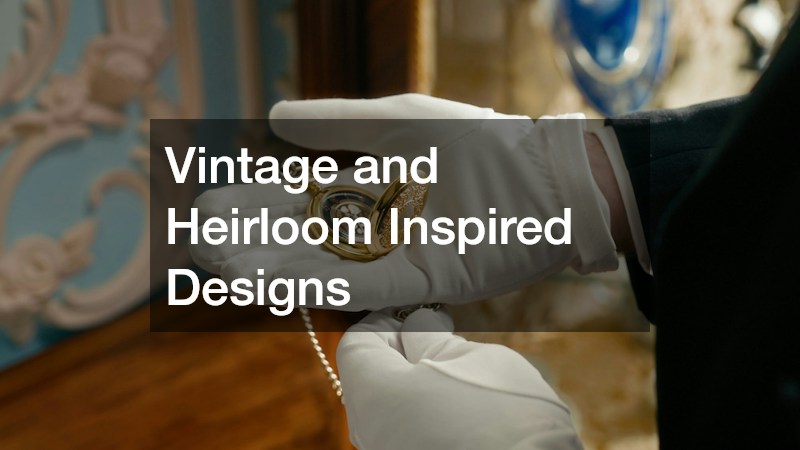
Vintage-inspired gold jewelry has proven itself to be more than a passing aesthetic. Designs that echo Victorian, Art Deco, or mid-century styles tend to hold appeal across generations, which keeps demand steady in both retail and resale markets. Many buyers are drawn to the craftsmanship and storytelling embedded in these pieces, something mass-produced trendy jewelry often lacks.
Investing in a well-crafted vintage-style piece can also mean investing in something that becomes a future heirloom. These designs tend to age gracefully, both in terms of physical wear and continued desirability, making them a smart choice for anyone thinking beyond a single season.
- Filigree detailing signals fine craftsmanship and enduring appeal
- Signet rings have made a strong comeback with staying power
- Antique-cut gemstones paired with gold settings add historical value
- Family-style lockets and pendants carry sentimental and resale value
Minimalist Gold Pieces for Everyday Wear
Simple, understated gold jewelry has become a staple rather than a trend, and that staying power makes it a smart long-term purchase. Thin bands, small hoops, and delicate pendants are versatile enough to wear daily without feeling out of place as styles shift around them. Because these pieces are less tied to a specific fashion moment, they tend to remain wearable and desirable far longer than statement jewelry.
Minimalist pieces also tend to use gold efficiently, meaning buyers often get solid gold content without paying for elaborate design work. This can make them a practical entry point for someone new to building a gold collection with long-term value in mind.
- Small huggie hoops work for nearly any occasion or outfit
- Thin stacking rings allow for a customizable yet timeless look
- Simple bar necklaces maintain popularity across multiple style eras
- Delicate bracelets layer well without overwhelming an outfit
Smart Buying Habits That Protect Your Investment
How and when you buy gold jewelry can matter just as much as the style you choose. Gold prices fluctuate daily based on market conditions, so timing a purchase thoughtfully can make a noticeable difference in what you pay. Buyers who take the time to research current market rates are in a much better position to negotiate and recognize a fair deal.
It also helps to compare multiple sellers before committing to a purchase, since pricing can vary significantly between jewelers, retailers, and online marketplaces. Looking for the best price for gold means paying attention not just to the sticker price but to the karat weight, craftsmanship, and any added fees for design work. Buyers who shop around and ask questions about sourcing and pricing structure are far more likely to walk away with a piece that holds real value.
- Check daily gold spot prices before making a large purchase
- Ask jewelers how their pricing accounts for craftsmanship versus raw gold weight
- Compare quotes from at least three sources for significant purchases
- Keep receipts and certifications for future resale or appraisal needs
Conclusion
Building a gold jewelry collection that holds value beyond a single season comes down to choosing timeless styles, understanding karat quality, and buying with intention. Rather than chasing every new trend, focus on pieces with proven staying power and craftsmanship that will age well. Take your time researching before any purchase, compare your options, and treat each piece as both a personal style choice and a long-term asset.