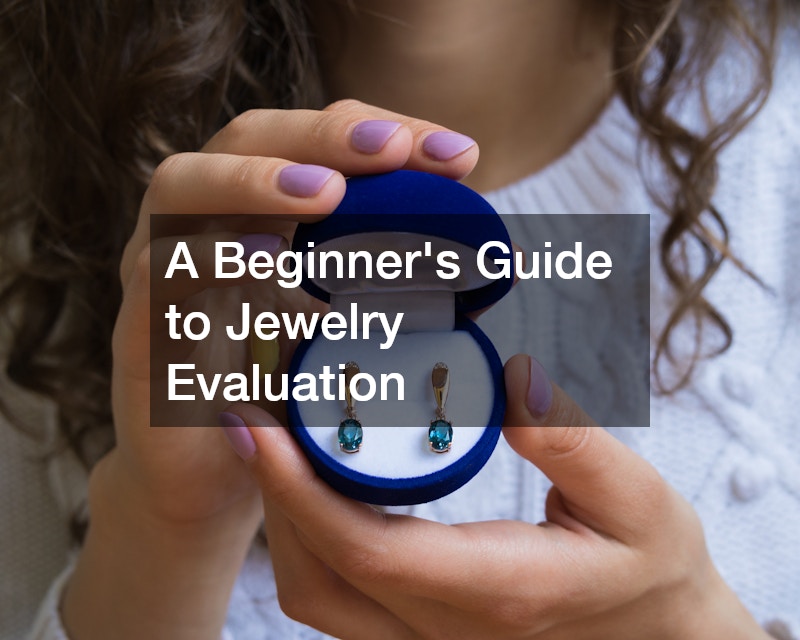
Jewelry has always held a special place in human culture, serving as a symbol of wealth, status, and personal expression. Whether you’re a collector, investor, or simply want to appreciate the value of a family heirloom, understanding the process of jewelry evaluation is crucial. This guide will take you through the essential aspects you need to consider when evaluating jewelry, ensuring you have the basic knowledge needed to assess its worth effectively.
Understanding the Basics
Through the detailed examination of these elements, jewelry evaluators can provide a comprehensive appraisal that communicates the piece’s intrinsic and extrinsic value. Whether for insurance purposes, resale, or personal knowledge, a well-conducted evaluation empowers the owner with critical insights. This knowledge not only clarifies the economic worth of the jewelry but also deepens the appreciation for its artistic and historic significance.
The Importance of Metals
The quality of metal plays a significant role in determining its overall value and application. High-quality metals are identified by their superior properties such as strength, durability, and resistance to corrosion. These characteristics make them highly desirable for use in critical applications, ranging from construction and automotive manufacturing to aerospace and medical equipment production. Conversely, lower-quality metals may lack some of these properties, making them more vulnerable to wear and tear, which can lead to frequent replacements and repairs.
Additionally, the process involving the extraction and refinement of raw ores into pure, valuable metal also impacts the metal’s quality. This includes methods such as smelting and alloying, which are designed to enhance the metal’s desirable features while minimizing impurities. As a result, well-processed metals typically command a higher price in the market, reflecting their enhanced traits and reliability in demanding situations. Overall, understanding the intricacies of metal quality can help consumers and businesses make more informed decisions concerning their investments and applications.
Gemstone Assessment
Gemstones are another critical factor in jewelry evaluation. The four Cs — Carat, Cut, Color, and Clarity — play a pivotal role in determining a gem’s value. Here’s a breakdown:
- Carat: Refers to the weight of the gemstone. Larger stones are generally more valuable, assuming other factors are equal.
- Cut: The precision of the cut affects how a gem reflects light, enhancing its brilliance.
- Color: While some gems are prized for being colorless, like diamonds, others, like sapphires, are valued for their vivid hues.
- Clarity: Imperfections, known as inclusions, can impact a gemstone’s transparency and desirability.
Examining Craftsmanship
The artistry and skill involved in crafting a piece contribute to its uniqueness and value. Inspect the detailing — finer, precise work typically indicates higher craftsmanship quality. Hand-made pieces generally carry more value due to the labor-intensive process compared to mass-produced items.
Eras and Provenance
Jewelry from specific eras, such as Victorian, Art Deco, or Edwardian periods, can have increased value due to their historical significance. Provenance, or the history of a piece, can add to its allure and value, particularly if it has notable previous owners or has been part of significant events.
Authenticity and Documentation
Authenticity is a key element in jewelry evaluation. Certificates from reputable gemological laboratories that detail a piece’s characteristics can boost trust and value. Always look for accompanying paperwork when evaluating jewelry. Such documentation can provide information that might be otherwise unnoticed, such as treatments applied to a gemstone.
Professional Appraisal
While this guide provides a foundational understanding, nothing replaces a professional appraisal for an accurate evaluation. Professionals have the tools and experience to provide a thorough assessment. Even if you have a basic understanding of jewelry evaluation, a certified appraiser can identify elements that you might overlook.
Market Trends
Jewelry value is also influenced by market trends. The popularity of specific styles and materials can fluctuate, affecting resale values. Staying informed about the jewelry market is crucial for making informed buying or selling decisions.
Jewelry evaluation might seem daunting for a beginner, but understanding the fundamental aspects of the process makes it more approachable. By considering metal content, gemstone quality, craftsmanship, authenticity, and market trends, you can assess a piece’s value with greater confidence. Remember, practice makes perfect — the more you engage with jewelry evaluation, the more skilled you will become.
In your journey from a novice to a knowledgeable evaluator, it’s important to continue learning and seek expertise when needed. This comprehensive review of jewelry evaluation is just the beginning. As you delve deeper, you’ll discover even more nuances that can greatly enhance your appreciation and understanding of fine jewelry.